
 +91 72929 29357
  info@coreehs.com









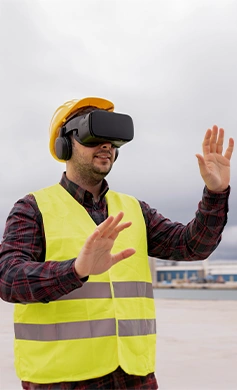




For elevating proactive safety management, In pursuit of a ‘zero-incident’ workplace, organizations increasingly rely on modern technologies to preemptively tackle safety challenges.

These advanced tools are instrumental not just in preventing incidents but also in cultivating a proactive safety culture enhanced by sophisticated training solutions and real-time incident management systems. Emphasizing proactive problem management, this approach integrates technological innovations to meticulously identify and swiftly neutralize risks, thereby maintaining a high standard of safety and operational continuity.
Proactive Safety Management: Why is it important?
Proactive safety management transcends traditional reactive approaches by focusing on preventing incidents before they manifest. This forward-thinking strategy not only reduces costs associated with damages and compliance penalties but also safeguards employees, thereby enhancing their morale and productivity. Proactive problem management is the cornerstone of this approach, enabling organizations to anticipate potential issues, facilitate timely interventions, and foster an environment of continuous improvement and resilience in safety practices.
Incident Management: Leveraging Technology
For incident management, modern technologies such as sophisticated software modules and applications are vital. These tools facilitate early hazard identification, thorough risk assessment, and streamlined communication across the organization, essential components of proactive problem management. By integrating these technologies, organizations enhance their capability to preemptively address potential dangers, ensuring that risks are managed before they escalate into serious incidents, thus maintaining a safe and efficient workplace.
Harnessing Software for Enhanced Hazard Reporting and Management
The use of sophisticated software applications in the context of hazard reporting and eLearning signifies a significant advancement in proactive safety management. These technologies enable continuous learning and offer a platform for real-time hazard reporting. This is essential for the prompt logging, analysis, and resolution of potential risks. The accessibility and immediacy provided by these software tools allow for a dynamic and effective approach to safety training and incident reporting. By integrating these digital solutions, organizations can significantly decrease the likelihood of accidents, thereby reinforcing the principles of proactive problem management.
Training through 3D Animation, AR/VR, and eLearning
The evolution of training methods with the integration of 3D animation videos, augmented reality (AR), virtual reality (VR), and eLearning platforms has markedly enhanced how safety training is delivered. These technologies offer immersive and interactive learning experiences, enabling employees to engage virtually with realistic scenarios. This method is an exemplary case of proactive problem management in action, as it prepares employees to effectively handle safety incidents before they occur. Additionally, eLearning facilitates ongoing education and skills development, making training accessible anytime and anywhere. Proactive problem management comes in picture here as well. This combination of digital tools not only increases the competence and confidence of employees but also ensures they are well-prepared to tackle real-life situations safely and effectively.
The Benefits of a Technology-Driven Proactive Incident Management System:
- Early Detection: Advanced technological solutions enable the early detection of potential incidents, facilitating immediate and effective corrective actions. This proactive stance is essential in minimizing the impact of hazards.
- Enhanced Training: The use of AR, VR, and animated videos not only makes training sessions more engaging but also significantly increases the retention of critical safety information. This approach effectively prepares employees for unexpected situations, enhancing their readiness and safety awareness.
- Improved Communication: Digital tools play a crucial role in ensuring that information about potential risks is rapidly and efficiently shared throughout the organization. This enhanced communication supports a proactive response framework, keeping all personnel informed and vigilant.
- Data Analysis: Utilizing advanced analytics to understand trends and patterns in safety incidents leads to more informed decision-making and strategy development. This analytical approach is a key element of proactive problem management, helping organizations to continuously refine and improve their safety measures.
Conclusion:
Adopting a proactive incident management system powered by modern technologies fundamentally changes how workplace safety is approached. By harnessing advanced training tools, real-time reporting software, and a robust analytical framework, organizations can not only mitigate risks but also cultivate a culture of proactive safety and continuous improvement. Proactive problem management, this system not only prevents safety incidents but also promotes a proactive culture that is critical for long-term sustainability and success in any organization.