
 +91 72929 29357
  info@coreehs.com














Scaffolding Safety, at its core, hinges on the implementation and diligent use of the Scaffolding Tagging System.
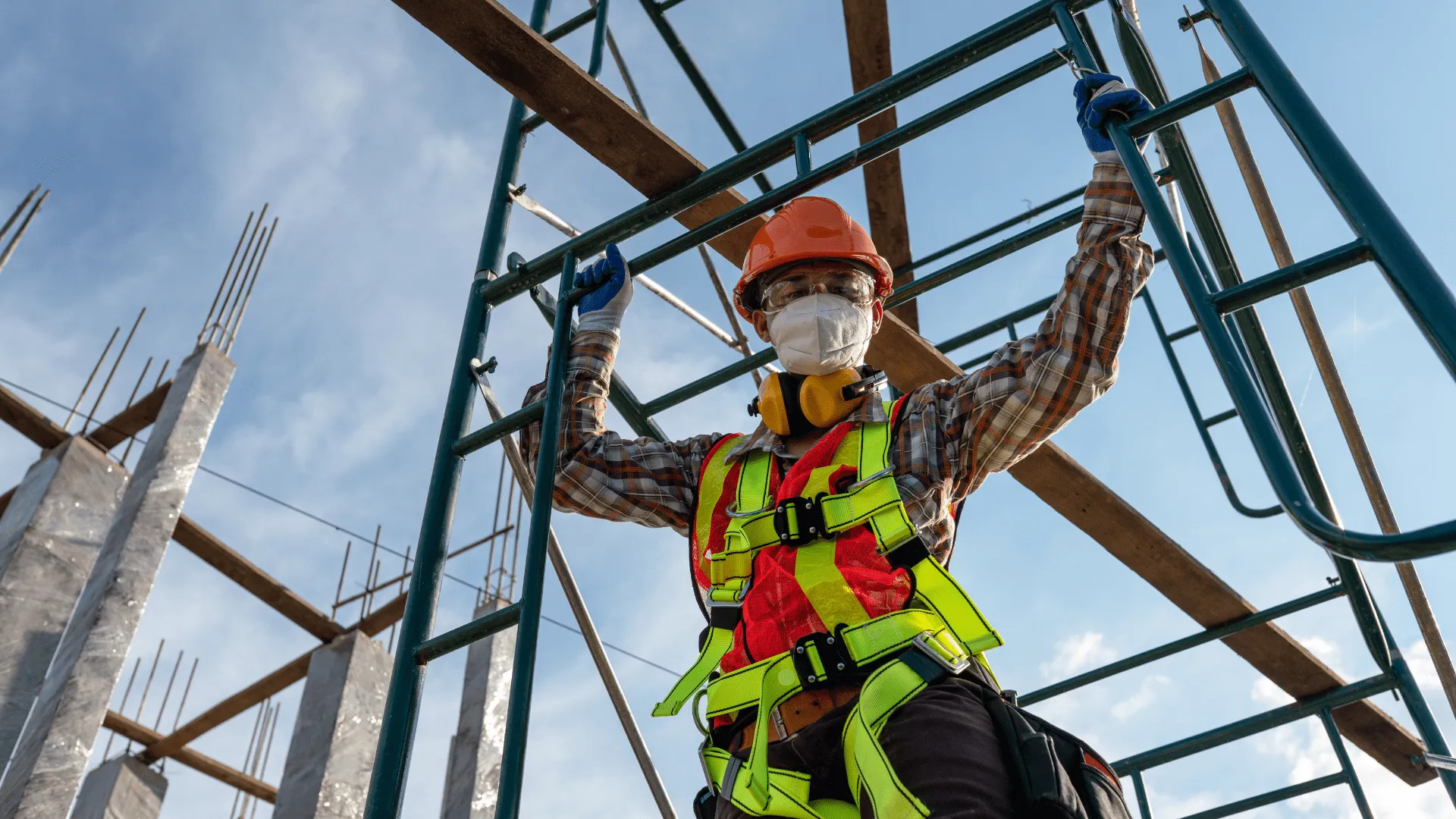
his straightforward yet highly effective mechanism plays an indispensable role in the prevention of falls and other accidents associated with work at heights. By mandating thorough inspections and the application of clear, color-coded tags to communicate the condition and safety status of scaffolding, this system significantly reduces the risk of accidents. Employing a simple colour scheme—green for safe to use, red for unsafe, and yellow as a cautionary signal (though its use has ceased in some areas due to potential confusion)—the scaffolding tagging system provides workers with an immediate understanding of whether a scaffold is secure and suitable for use. The simplicity of this system belies its profound impact on enhancing worker safety and operational efficiency in construction environments.
Understanding Scaffolding in the Construction Industry
Scaffolding works in various comprehensive ways. Scaffolding, a temporary structure crafted to provide essential support and access for tasks related to the construction, maintenance, or repair of buildings and structures, holds an irreplaceable position within the construction industry. Far beyond merely facilitating access, scaffolding serves as a foundational element that guarantees work can proceed in a manner that is both safe and efficient, especially when dealing with elevated heights or areas that challenge accessibility. While the choice of materials and the structural configurations employed may adapt flexibly to meet the unique demands of each project, the overarching emphasis on safety remains unwaveringly at the forefront. This commitment to safety is underpinned by rigorous standards and practices designed to protect workers from potential hazards. Despite these precautions, however, scaffolding continues to represent a notable risk factor, accounting for a significant proportion of workplace incidents and accidents in the sector. These occurrences highlight the need for continuous advancements in safety measures, training, and awareness to mitigate risks and enhance the well-being of those working within the ever-evolving landscape of construction.
The Stark Reality of Scaffolding Accidents
Statistics offer a stark illustration of the dangers inherent in scaffolding work. As reported by the United States Bureau of Labor Statistics, the scaffolding sector sees thousands of workers sustaining injuries annually, with a significant portion of these mishaps ending in fatalities. This distressing trend underscores the multifaceted nature of scaffolding accidents, which stem from a confluence of factors such as inadequate planning, a deficiency in comprehensive training, lack of stringent supervision, and overarching failures in management practices. Moreover, the variability in scaffolding types and the complex environments in which they are erected further exacerbate these risks, demanding a tailored approach to safety protocols. Given the gravity and frequency of these incidents, the imperative for implementing rigorous safety measures and systems becomes even more pressing. Enhanced safety protocols, coupled with advanced training programs and a steadfast commitment to safety culture within organizations, are pivotal in mitigating these risks. Additionally, fostering an environment of continuous learning and adaptation to new safety technologies and methodologies is crucial for safeguarding the well-being of workers engaged in the critical task of scaffolding.
The Lifesaving Potential of the Scaffolding Tagging System
At the core of ensuring scaffolding safety lies the innovative Scaffolding Tagging System. This system employs a straightforward yet profoundly impactful method to relay crucial information. This can be regarding the condition and safety status of scaffolding to all potential users. By instituting a mandatory protocol, the system ensures all scaffolding undergoes thorough inspections prior to use. Additionally, the scaffolding must be conspicuously tagged based on the outcome of these inspections. This plays a pivotal role in guaranteeing that workers have access only to scaffolding that has been deemed safe, inspected, and officially approved for use.
Scaffolding Tagging System – What makes it Good!
The brilliance of this system is evident in its use of a universal, color-coded scheme—green signalling a scaffold is safe for use, red warning of danger and prohibiting use, and yellow indicating caution (though it’s noteworthy that the yellow tag has been phased out in certain areas like India to prevent misunderstandings)—which allows for immediate, visual communication of the scaffold’s readiness and safety status. This intuitive tagging mechanism not only enhances safety on construction sites by preventing the use of compromised scaffolding but also fosters a culture of safety awareness and responsibility among workers. It acts as a constant reminder of the importance of vigilance and adherence to safety protocols, thereby playing an essential role in reducing the incidence of scaffolding-related accidents and injuries.
Scaffolding Tagging Guidelines
The guidelines for scaffolding tagging are straightforward yet comprehensive. They mandate regular inspections by qualified personnel and the use of the tagging system to indicate a scaffold’s safety status clearly.
Green Tag
A green tag indicates that a scaffold is safe and ready for use, specifying the class of duty it’s approved for.
Red Tag
Red tag warns that the scaffold is unsafe and should not be used under any circumstances.
Yellow Tag
The color yellow means “CAUTION” when it comes to tagging scaffolds. These will replace the green tags if a scaffold has been modified for work requirements. It is generally accepted that yellow tags get used when scaffolding is safe for use but modified to suit the particular job site’s requirements.
The adherence to these guidelines and the diligent application of the tagging system can significantly mitigate the risk of scaffolding-related accidents.
Navigating Challenges and Ensuring Compliance
The successful implementation of the Scaffolding Tagging System is not without its challenges. It requires consistent effort, regular training, and a commitment to safety from all stakeholders involved. However, the potential to save lives and reduce accidents significantly outweighs these challenges. By adhering to local regulations, conducting regular inspections, and fostering a culture of safety, the construction industry can make great strides in protecting its workforce.
Conclusion
The Scaffolding Tagging System represents a critical component of workplace safety within the construction industry. Its simplicity, combined with the profound impact it has on reducing accidents and saving lives, underscores the importance of adherence to safety protocols and regulations. As the industry continues to evolve, the commitment to practices that enhance worker safety must remain a top priority. Through vigilance, education, and the effective use of systems like scaffolding tagging, we can continue to make strides towards creating safer work environments for all.