
 +91 72929 29357
  info@coreehs.com













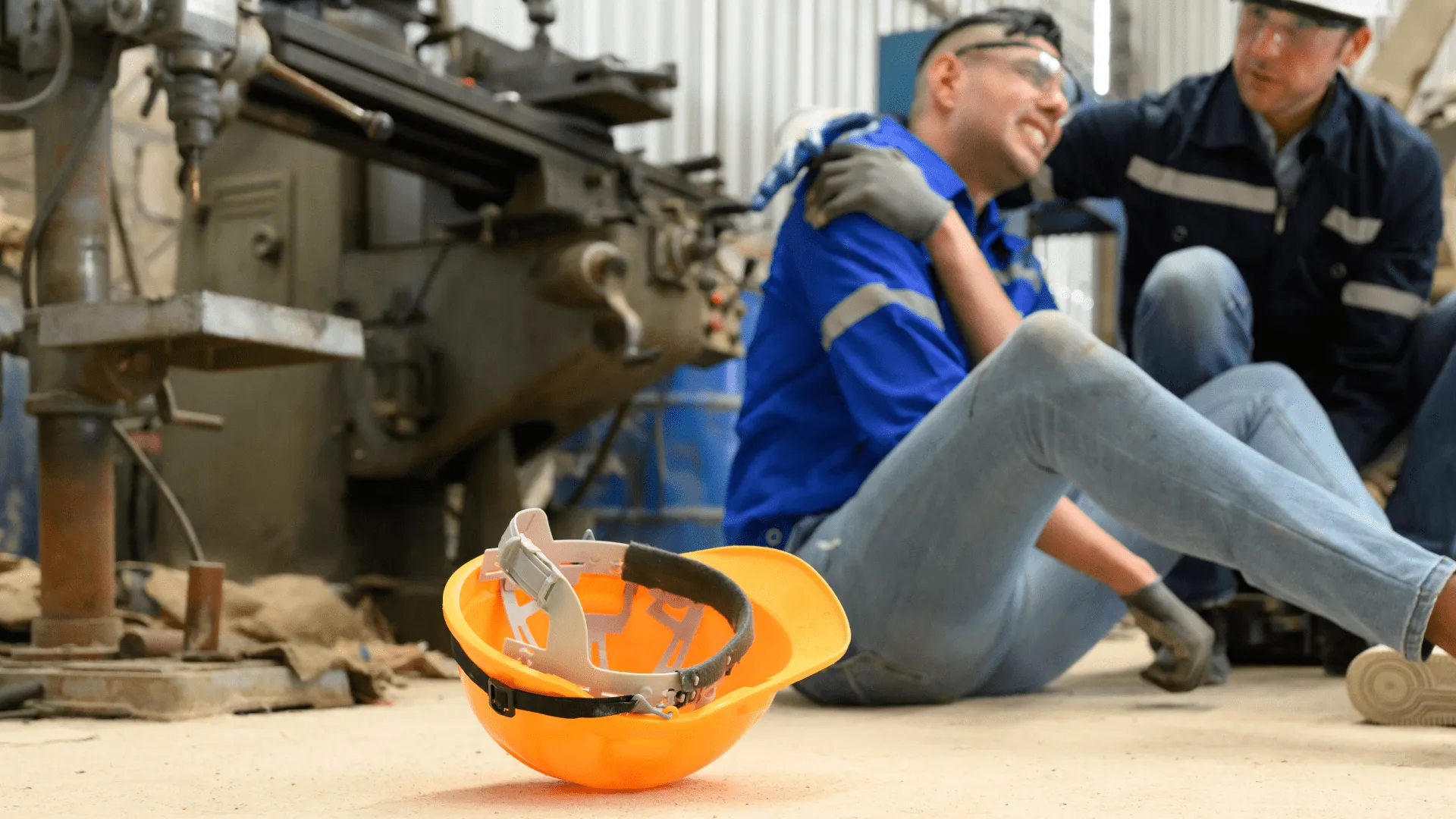
Industrial accidents remain a pressing challenge in 2024-25.
What Is an Industrial Accident?
An industrial accident is any unplanned event in a workplace (factory, mine, energy facility, or construction site) that causes injury, death, damage to equipment, or environmental harm. Causes can be environmental, mechanical, or human error.
Latest Trends & Statistics in Industrial Accidents (2024-25)
-
Over 400 workers killed and 850+ seriously injured in India’s manufacturing, mining & energy sectors in 2024 due to workplace safety lapses.
-
The chemical & pharmaceutical industries accounted for more than 110 major accidents in 2024, causing over 220 deaths and 550 serious injuries.
-
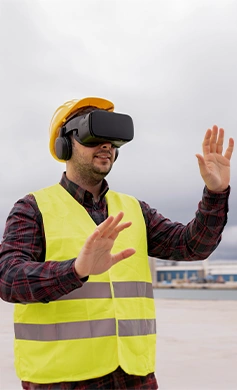
Studies show VR-based safety training improves safety awareness by ~30%, enhances risk perception, and boosts self-efficacy vs traditional training.
-
Key trends:
-
Wearable tech & AI monitoring (e.g., fatigue detection, PPE compliance) are becoming mainstream.
-
Extended Reality (VR/AR/XR) simulations for high-risk tasks for safer, hands-on training.
-
Digital safety management systems, incident reporting apps, analytics dashboards.
-
Enhanced regulatory focus, stricter enforcement under Factories Act, Mines Act, etc.
-
What Are the Main Causes of Industrial Accidents?
The main causes of industrial accidents can be categorized into three broad areas:
- Environmental factors such as poor lighting, ventilation, or unsafe floors.
- Mechanical failures like malfunctioning equipment or electrical issues.
- Human errors including fatigue, stress, and lack of training.
By identifying and addressing these causes, businesses can create safer work environments and reduce incidents.
Environmental Causes of Accidents
Environmental factors contribute significantly to industrial accidents:
- Inadequate Lighting: Poor visibility leads to mistakes and injuries.
- Extreme Temperatures: Heat or cold can impair physical performance.
- Poor Air Quality: Can cause respiratory issues and fatigue.
- Noise Pollution: Hinders communication and causes hearing loss.
- Unsafe Surfaces: Wet, cluttered, or uneven surfaces increase slip and fall incidents.
Mechanical Causes of Industrial Accidents
Mechanical failures are a leading cause of workplace injuries. Common causes include:
- Defective Equipment: Low-quality or damaged machinery can malfunction.
- Power Failures: Interrupt operations and increase accident risks.
- Fires and Explosions: Often caused by overheating, sparks, or poor storage.
- Chemical or Gas Leaks: Result from faulty valves or improper handling.
- Lack of Maintenance: Equipment wear and tear raises the risk of breakdowns.
Human Factors That Cause Accidents
Human factors involve actions or behaviors by workers that lead to accidents. These can often be mitigated through proper training and safety practices. Common human-related causes include:
- Poor Housekeeping: Untidy workspaces can cause slips, trips, and falls.
- Fatigue: Tired workers are more prone to accidents.
- Overexertion: The most common type of workplace injury is due to overexertion.
- Stress: Stressed workers are more distracted and thus more likely to get injured.
- Dehydration: Proper hydration is essential for optimal body function and safety.
- Improper Lifting: Using incorrect lifting techniques can lead to lower back and shoulder injuries.
Prevention Strategies: How to Reduce Industrial Accidents
Here are proven actionable steps, with latest best practices (2024-25) and technology where relevant.
Prevention Strategies: How to Reduce Industrial Accidents
Here are proven actionable steps, with latest best practices (2024-25) and technology where relevant.
| Strategy | Key Actions | Tech / Tools / Innovations |
|---|---|---|
| Develop a Comprehensive Safety Management System | Risk assessments, hazard identification, regular audits, clear safety policies | Digital SMS platforms; dashboards for KPIs |
| Update & Deliver Regular Training | Include hands-on, task-based modules; refreshers on new risks, especially in climate, chemical, etc. | Microlearning, eLearning platforms |
| Use VR / AR / XR Simulations | To train for high-risk tasks, emergencies, equipment failures | VR/AR labs, simulations; studies show ~30% lift in awareness & retention Nature |
| Wearable & AI-powered Monitoring | Fatigue sensors, PPE compliance cams, heat exposure tracking | Smart PPE; IoT sensors; real-time alerts |
| Incident Reporting & Feedback Loops | Encourage near-miss reporting; root cause analysis; open channels for feedback | Mobile apps; software tools; dashboards |
| Preventive Maintenance & Mechanical Checks | Scheduled inspections, audits, machine health monitoring | Predictive maintenance tools; thermal imaging etc. |
| Regulatory Compliance & Inspections | Ensure adherence to laws (Factories Act, Mines Act, etc.), updated safety codes, standards, enforcement | Regular compliance reviews; third-party audits |
The Role of Emerging Technologies in Safety
-
Virtual Reality (VR): Immersive scenario-based training, emergency drills in simulated environments. Proven to increase risk perception and safety knowledge.
-
Augmented Reality (AR): On-site assistive overlays, safety warnings in real time, hazard detection.
-
AI and Machine Learning: Predictive analysis based on incident data; AI cameras to monitor unsafe behavior or non-compliance.
-
Wearables & IOT: Sensors for gas, heat, and vibration; tracking worker vitals.
eLearning in EHS: Adapting to a Constantly Changing Environment

Modern eLearning solutions address the evolving nature of industrial workspaces:
- Microlearning Modules: Quick, task-focused training.
- Behavior-Based Content: Helps eliminate unsafe habits.
- Custom eModules: Focus on organization-specific hazards.
- Always-On Learning: Allows ongoing upskilling and compliance.
Software Solutions to Aid Incident Reporting & Hazard Observation
Why Use Safety Software?
Software tools help streamline reporting and analysis:
- Hazard Reporting Tools: Workers can instantly report safety issues via mobile apps.
- Incident Management Software: Tracks events from report to resolution.
Benefits of Digital Systems
- Quicker issue identification
- Improved compliance documentation
- Real-time safety performance tracking
Case Studies & Recent Incidents
-
Sigachi Industries Explosion, Telangana (2025): Fire and explosion in pharmaceutical plant killed 36 people. Investigation flagged outdated equipment, poor safety exits, lack of alarms.
-
Atchutapuram, Andhra Pradesh Pharma Blast (2024): Electrical fire triggered explosion; over 18 deaths, many injured. Emphasizes the need for safe electrical systems, storage of chemicals, and emergency evacuations.
Lessons: strict maintenance, emergency preparedness, design safety, regulatory review, and transparent incident investigations matter.
Actionable Checklist: How Your Organization Can Improve Safety Today
-
Audit your workplace: lighting, ventilation, surfaces, noise, PPE.
-
Review training: include VR/AR or immersive content; update frequently.
-
Implement digital tools: incident reporting apps, dashboards, AI monitoring.
-
Set up preventive maintenance schedule; budget for replacing or upgrading old equipment.
-
Build safety culture: encourage near-miss reports without blame; worker feedback.
-
Review your regulatory compliance: ensure all permits, inspections, and standards are met.
Conclusion
Understanding and addressing the main causes of industrial accidents, from human and environmental to mechanical, requires a proactive safety strategy. By adopting technology, empowering workers, and ensuring continuous training, businesses can create safer workplaces.
Investing in tools like hazard reporting software, safety eLearning, and immersive technologies not only improves safety metrics but also enhances overall productivity and morale.